
Child & Play Therapy
Play is a child’s natural language. Through play, creative activities and evidence-based interventions, we help children express what they cannot yet put into words, build coping skills and feel more successful at home and school.
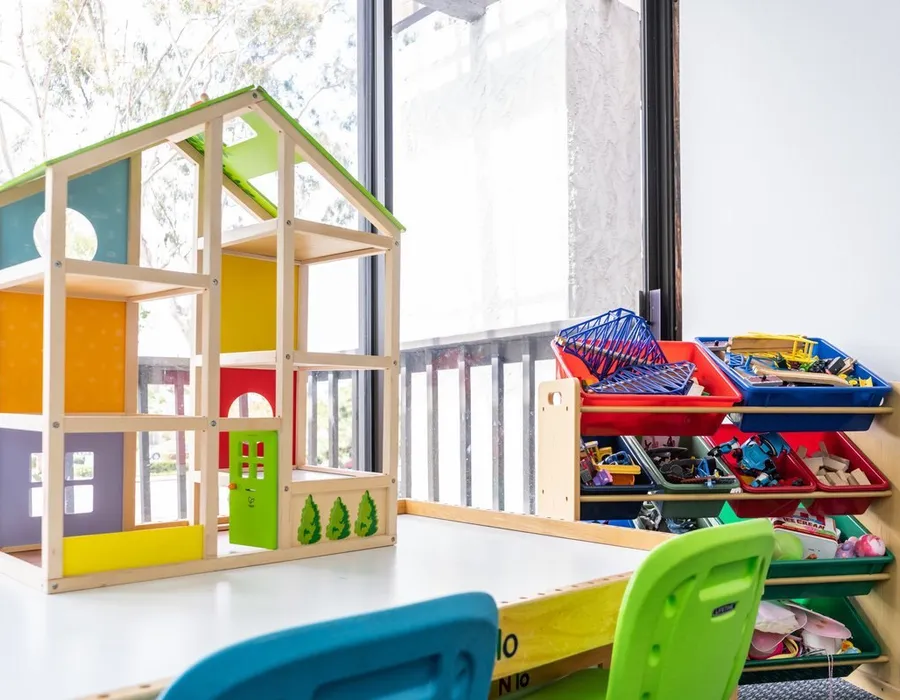
Play therapy can help children dealing with
Play therapy is effective for children experiencing everyday struggles as well as bigger life stressors such as relocation, hospitalization, chronic illness, family conflict or trauma.
- Anxiety, worry and fears
- Anger and difficulty managing frustration
- Depression, sadness or withdrawal
- ADHD and attention or focus challenges
- Grief and loss
- Divorce, separation and family changes
- Crises and trauma
- Academic and social problems
- Autism and developmental differences
- Learning differences
- Behavioral and conduct concerns
What makes play therapy different from play
In play therapy the therapist helps a child address and resolve their own problems. Play creates a safe psychological distance from what is hard, so thoughts and feelings can be expressed, rehearsed and worked through.
- Express emotions and communicate needs
- Learn to set boundaries and tolerate frustration
- Build self-awareness and healthy coping skills
- Practice problem-solving and new ways of relating to others
- Learn more adaptive behaviors when emotional or social skills are still developing
- Gently rebuild trust and connection after bullying or other hurts
Even the most troubling problems can be confronted in play therapy, and lasting resolutions can be discovered, rehearsed, mastered and carried into everyday life.
Common questions
What ages is play therapy for?
Do parents take part in sessions?
Do I need a diagnosis before contacting you?
You do not have to figure this out alone
Whether you know exactly what your child needs or simply sense that something has changed, we can help you decide on the next step. Call, or request a consultation and we will reach out.